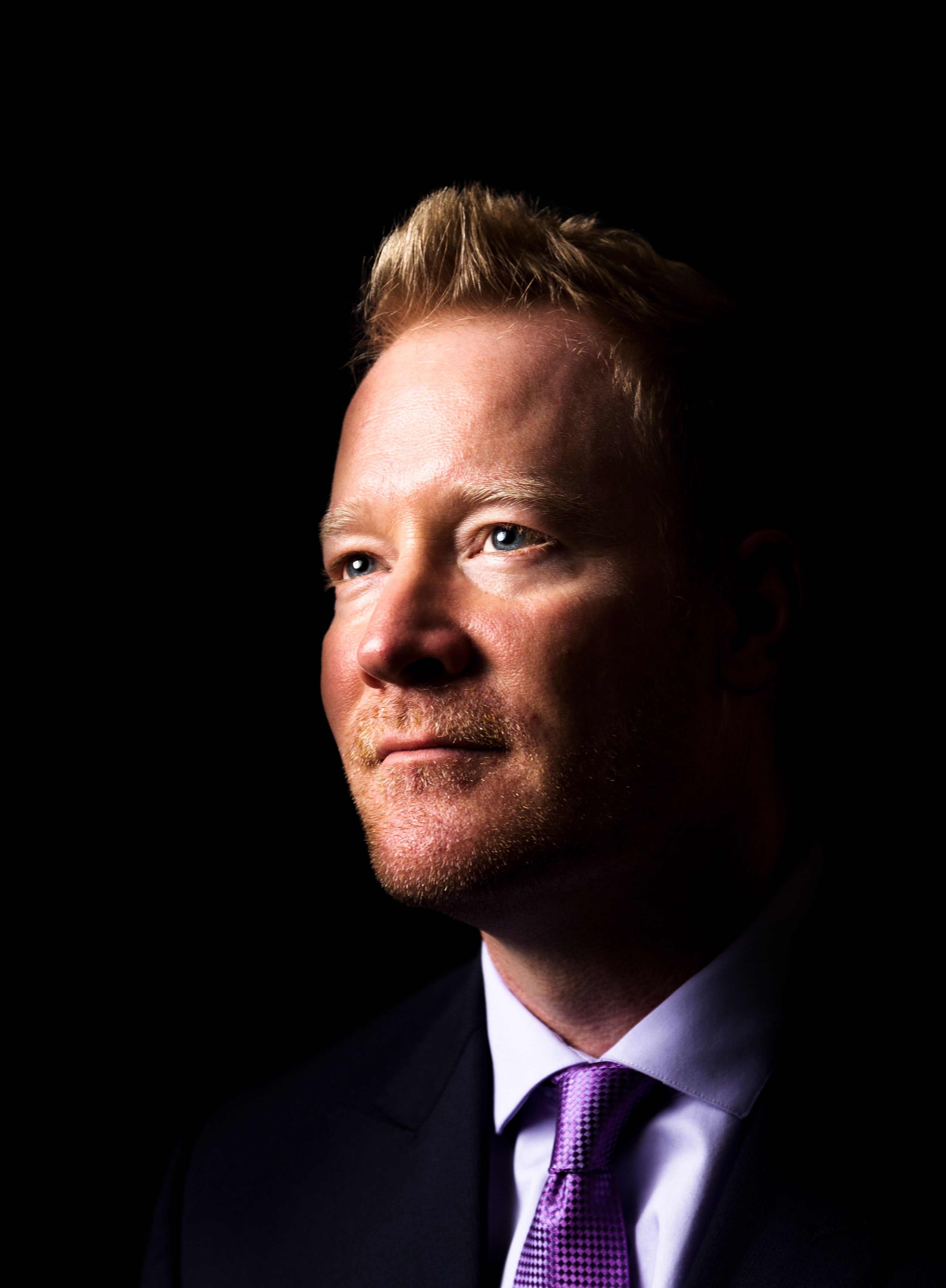
Paul Lynch, M.D.
Dr. Lynch is a double board-certified and fellowship-trained pain management physician and anesthesiologist, with 17 years' experience treating all types of chronic pain conditions. Throughout his career, Dr. Lynch has focused on providing comprehensive and evidenced-based treatment, with vigilant attention to the standard of care and best practices.
Dr. Lynch continues to actively see patients in a clinical setting, treating the most complex and difficult chronic pain conditions. He has extensive experience performing interventional pain management procedures, including advanced procedures such as spinal cord stimulation, minimally invasive lumbar decompression, and sacroiliac joint fusion.
Dr. Lynch is also focused on research and the advancement of chronic pain treatment, publishing over 30 journal articles relevant to pain management, specifically regarding the use of interventional procedures and practice of comprehensive pain management with responsible opioid prescribing. He has taught extensively across the country to other physicians regarding the same topics.
"My philosophy as a physician is to treat every patient as if they were my own mom or dad. When you walk into a patient room with this mentality, it can completely change your approach and interaction with the patient. While my care delivery is driven by medical knowledge, it is important to remember you are treating a person, not just another number. By bringing the focus back to 'is this what I would do for my own mom?', you reset your thinking to include not only your education and experience, but also compassion and human emotion. I became interested in pain management when I was in medical school, as I experienced my mother-in-law suffering from end-stage pancreatic cancer. I became completely enmeshed in her care and saw how vitally important it was to provide pain relief and comfort to a patient suffering from pain. I often still think of that experience in my day-to-day practice now, as I meet with patients and their family members. I can see myself in their shoes and know how desperately they want help for their loved one. My motivation as a physician is to provide the best possible care for these patients, knowing that is what I would want if it were my own mom or dad."
Dr. Lynch's commitment to treating opioid use disorder is also deeply personal — his own brother dealt with opioid use disorder and heroin addiction. This experience reinforced his belief that patients with mental health and addiction issues deserve the same urgency, compassion, and quality of care as patients with cancer, heart disease, or any other painful condition. If you have questions or would like to get involved in the mission, please don't hesitate to reach out directly.